

Budget Travel Tips for Expensive Cities in the USA That Actually Work

Traveling to expensive U.S. cities on a budget can feel tricky at first, but I’ve learned it gets a lot easier once the bigger costs are clear. The main things that usually shape the budget are where you stay, how you get around, what you eat, and which attractions you choose to pay for.
In this guide, I’ll break down the most practical ways to save without making the trip feel limited.
Why Expensive Cities Feel So Costly
What surprised me the most about expensive U.S. cities is how quickly small costs add up. Hotels, transportation, and extra fees can push the budget up faster than expected. In New York City, for example, the hotel room occupancy tax applies to hotel stays and is added on top of the room price, while the MTA says subway and local bus fares are $3 for most riders.
Lodging

Lodging costs can jump quickly because the room rate is not always the full story. In NYC, the hotel room occupancy tax applies to hotel, motel, bed-and-breakfast, and similar stays, so you should look beyond the advertised nightly price.
Transportation
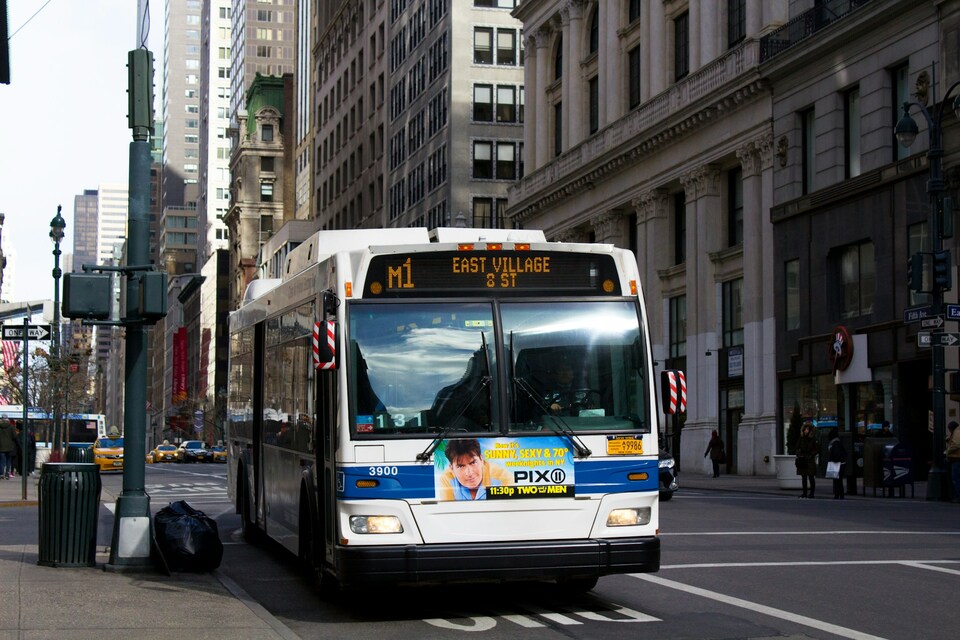
Transportation adds another layer. New York’s subway and bus fare is $3 for most riders, and BART fares are distance-based, so the cost can vary depending on where I stay and how far I travel.
Hidden or Mandatory Fees
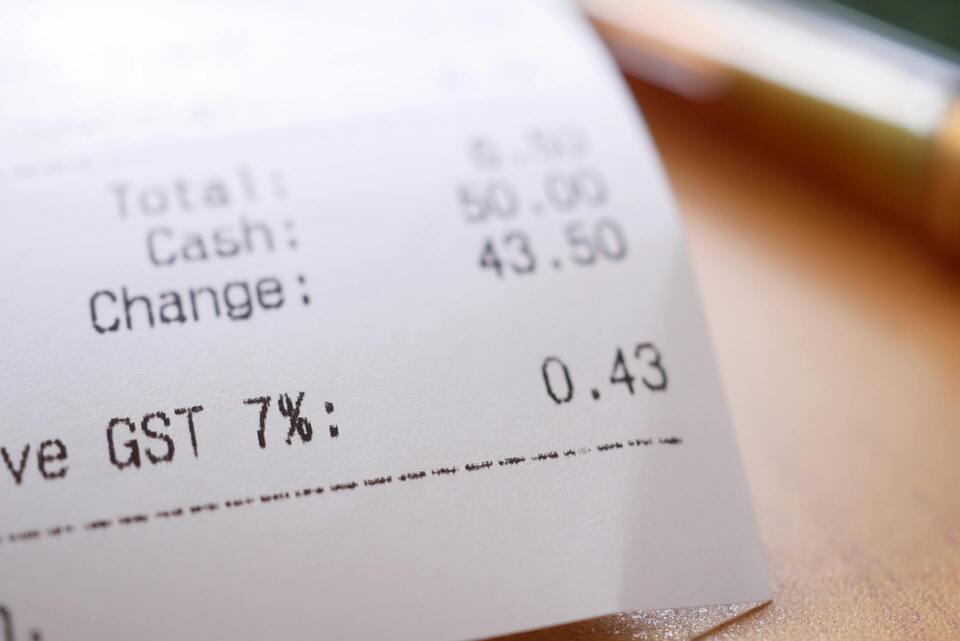
Hidden or mandatory fees used to be easy to miss, but the FTC’s Junk Fees Rule now requires businesses selling short-term lodging to disclose total prices upfront and bans bait-and-switch pricing. That makes the real cost easier to see, but it also shows how much these fees used to inflate the final bill.
Food & Dining

Food can easily become a major daily expense, especially in big U.S. cities where tax and tipping (15–25%) are standard at restaurants. I try to balance things by mixing sit-down meals with grocery stores, delis, or takeout, which are often much cheaper. Eating in tourist-heavy areas usually costs more, so choosing local spots helps keep spending under control without sacrificing quality.
Attractions & Activities
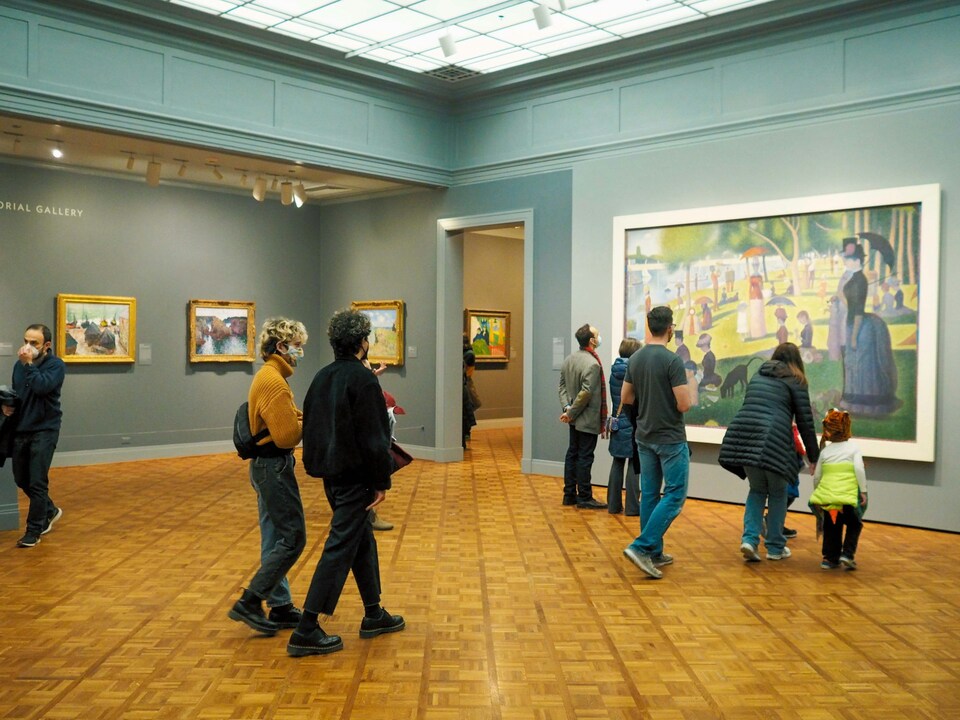
Not everything worth seeing has to be expensive. Many cities offer free museums, parks, landmarks, and walking routes that still give a great experience. I usually pick one or two paid attractions that really matter to me and skip the rest. This way, I enjoy the city fully without letting activity costs take over my budget.
Once I started paying attention to the full cost instead of just the starting price, budgeting for these cities became much easier.
Plan Smart Before You Go

Before you book anything, you should try to build the trip around flexibility. The U.S. Department of Transportation says the best airfares are often limited to certain days or times, and it recommends planning as far ahead as you can and comparing fares across airlines. That matters because a small change in travel dates can make a real difference in the total cost.
- Compare fares before locking anything in.
- Check different days if your schedule allows it.
- Book early enough to catch lower-priced options.
You should also look at the full price, not just the headline rate. The FTC’s junk-fee rule now requires businesses selling short-term lodging to show total prices upfront, which makes it easier to compare real costs before booking.
- Watch for taxes and fees on hotels and other stays.
- Read the final total before I click “book.”
One more small thing that helps: before you travel, it is a good idea to tell your bank or credit union that you will be out of town so a normal purchase does not get flagged and declined. The FTC specifically recommends that step.
- Set a budget before leaving.
- Keep a small backup amount for fees or surprises.
I’ve learned that a few minutes of planning before the trip is usually easier than dealing with unexpected costs later.
Where You Stay Matters More Than You Think
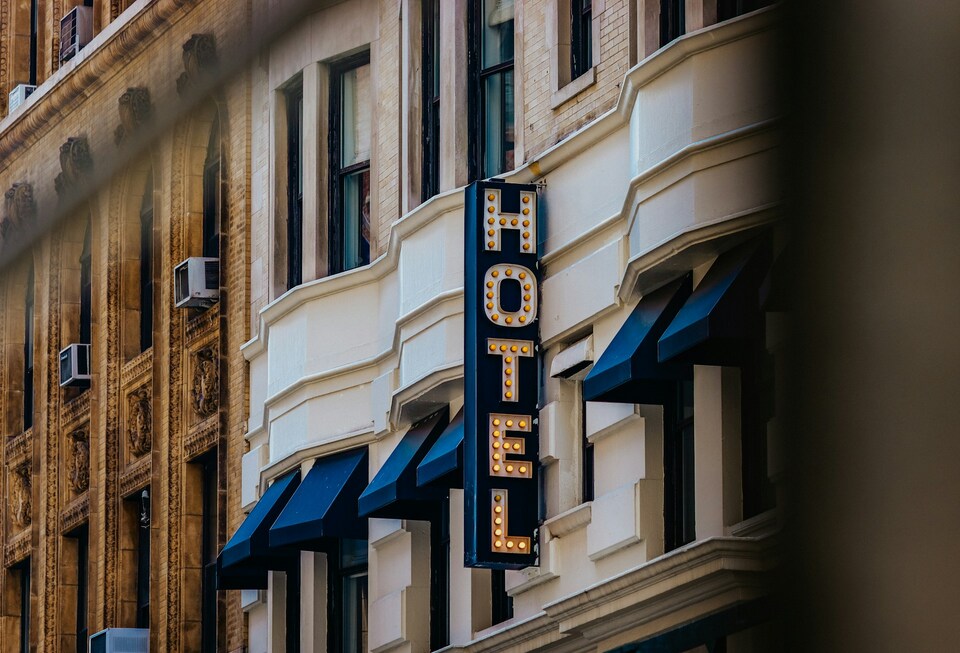
When I plan a trip to an expensive U.S. city, I do not look at the nightly rate alone. I look at the total cost, because the FTC now requires short-term lodging prices to be shown upfront with most mandatory fees included. That makes it easier to compare real totals before booking.
- Stay near transit when possible. Official visitor guides, like San Francisco Travel, highlight neighborhoods and transportation options because location affects how easy it is to get around.
- A cheaper room farther out is not always cheaper overall if it means more time and money spent getting into the areas I actually want to visit. That is why I check the route, not just the price.
- Look for simple value, like a place that fits the budget and reduces extra costs, rather than the absolute lowest listed price.
I’ve noticed that choosing the right location upfront usually saves me both money and stress later in the trip.
Get Around Without Overspending
When I am in an expensive city, I try not to rely on rideshares for every trip. In a lot of places, public transit does the job for much less, and some systems make it even easier with day passes or tap-to-pay options. For example, WMATA says visitors in Washington, D.C. can save time and money with 1, 3, and 7 day unlimited passes, and SmarTrip works for rail, bus, and parking.
- Check transit first before booking a rideshare. A pass can be worth it if you’re moving around all day.
- Stay in a walkable area when possible. San Francisco Travel notes that using Muni can save time and money, and it also highlights parts of the city that are best explored on foot.
- Use airport rail or bus options when they are available. San Francisco Travel describes BART as a fast, easy, low-cost way to get from the airports into the city.
For me, the biggest savings usually come from combining walking, transit, and a little planning instead of paying for every single trip across town. That keeps the budget lower without making the trip feel restrictive.
Eat Well on a Budget
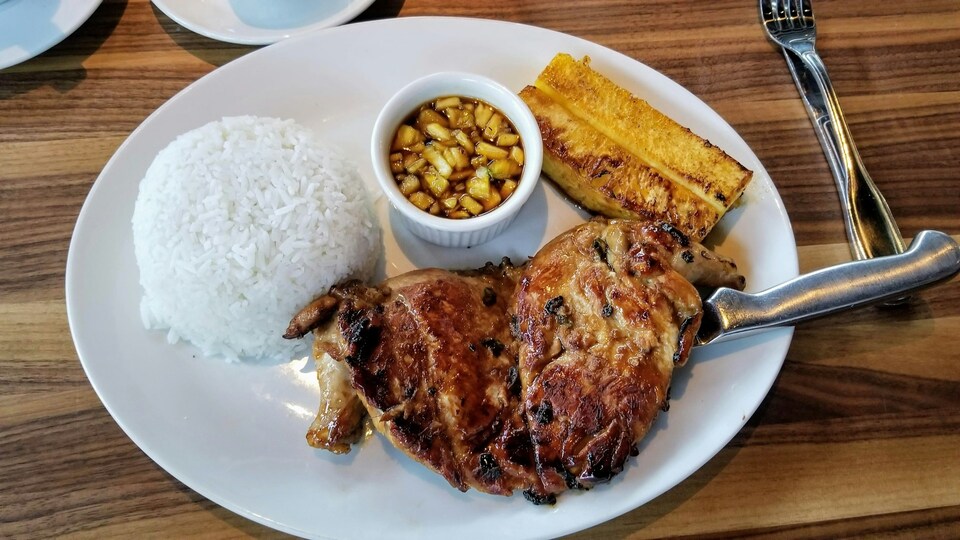
I usually keep food costs down by mixing one sit-down meal with simpler, cheaper options the rest of the day. In places like Chicago and Washington, D.C., official tourism sites point travelers toward food halls, neighborhood restaurants, local markets, and bakeries as good ways to eat well without staying stuck in the most expensive tourist areas.
- Choose neighborhood spots instead of only eating near the biggest attractions. Chicago’s guides highlight local restaurants, delis, and bakeries across its neighborhoods, which is often where better value shows up.
- Use food halls or markets when you want variety without paying for a full sit-down meal every time. Washington, D.C. tourism specifically points out food halls and value restaurants as strong options.
- Treat the menu price as a starting point, not the final number. IRS guidance notes that meals include food, beverages, taxes, and related tips, which is a good reminder to budget for the full bill.
- Keep breakfast and snacks simple whenever you can. That small habit usually leaves more room for one meal that feels worth spending on.
This way, you can still get to enjoy the city’s food scene without letting every meal take over the budget.
Do More for Free (or Cheap)
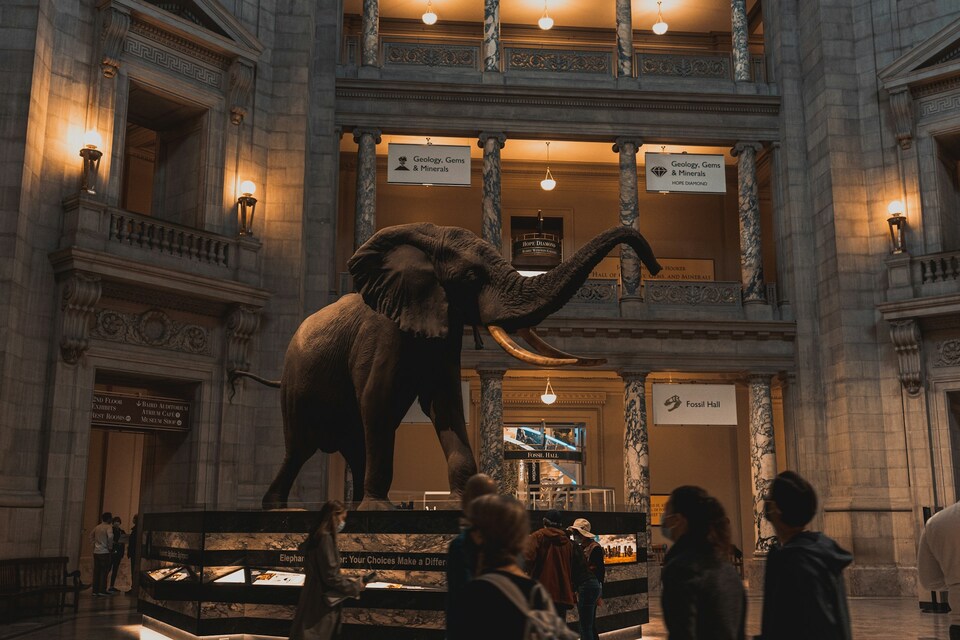
This is one of the easiest ways you can keep a city trip from getting expensive. In Washington, D.C., the Smithsonian says admission is free at all locations except Cooper Hewitt in New York City, which makes museum time one of the best-value parts of the trip.
- Look for free museums first. In D.C., the Smithsonian is a big win because I do not have to budget for every museum stop.
- Check for fee-free days at national parks before you go. The National Park Service offers entrance-fee-free days on selected dates, so a trip can be much cheaper if the timing lines up.
- Use parks, walking routes, and waterfront areas when a city has them. Those are often the best low-cost ways to see a place without paying for every attraction. That is especially useful when you want to slow down and enjoy the city instead of rushing from one paid stop to another.
I usually save paid attractions for the things I really care about. That keeps the trip fun without letting the budget disappear into tickets.
Avoid These Common Money Mistakes

The biggest budget problems usually come from small things I did not factor in at the start. A trip can look affordable at first, then feel expensive once the extras start adding up.
(1) Watch the Total Price
Try not to focus only on the first number you see. A hotel, flight, or activity can look cheap until taxes and extra charges are added.
This is especially common in expensive U.S. cities where fees can raise the final cost more than expected. Looking at the complete total early usually helps to avoid the bad surprises later.
(2) Check Fees Before Booking
Some costs are easy to miss if you rush. Things like service fees, resort fees, or other required add-ons can change the real price quickly.
You should also pay attention to cancellation policies because changing plans at the last minute can sometimes cost more than expected.
(3) Be Careful With Baggage Costs
A flight that looks budget-friendly can get expensive once bag fees are added. So always check the baggage rules before booking.
Even one checked bag each way can noticeably increase the cost of a shorter trip, especially on lower-cost airlines.
(4) Think About Location and Transport Together
A cheaper hotel is not always a better deal. If it is far from the places you want to visit, then you may end up spending more on transport.
I usually check nearby subway lines, bus routes, or walkable areas before booking a place to stay.
(5) Do Not Assume “Budget” Means Best Value
Sometimes the lowest price is not the smartest choice. Look for the option that saves you money without creating extra stress later.
Paying slightly more for a better location or easier transportation can sometimes reduce other daily costs.
(6) Read the Final Bill
Before you pay, check the final total carefully. That can help catch anything you missed before it becomes a surprise.
I also take a second look at taxes, tips, and optional add-ons because they are easy to overlook during checkout.
(7) Keep a Small Buffer
I like to leave a little room in the budget for unexpected costs. That makes the trip easier to handle if something small comes up.
Even a small backup amount can help with things like transit changes, snacks, baggage fees, or last-minute expenses.
Conclusion
Traveling to expensive U.S. cities on a budget is definitely possible, but I’ve noticed it usually comes down to making smarter decisions before and during the trip. Small things like choosing the right area to stay, using public transportation, checking the full price before booking, and mixing free activities with paid ones can make a bigger difference than most people expect.
What helped me most was realizing that saving money does not always mean cutting out the fun parts of the trip. Some of my favorite experiences in big cities have been simple things like walking through neighborhoods, visiting free museums, exploring local food spots, or spending time in parks and waterfront areas.
At the end of the day, I think budget travel works best when the goal is not just to spend less, but to spend more carefully. A little planning upfront usually makes the trip feel smoother, less stressful, and much easier on the wallet without taking away the experience itself.