

Bali Travel Guide 2026: Everything I Learned to Plan the Perfect Trip

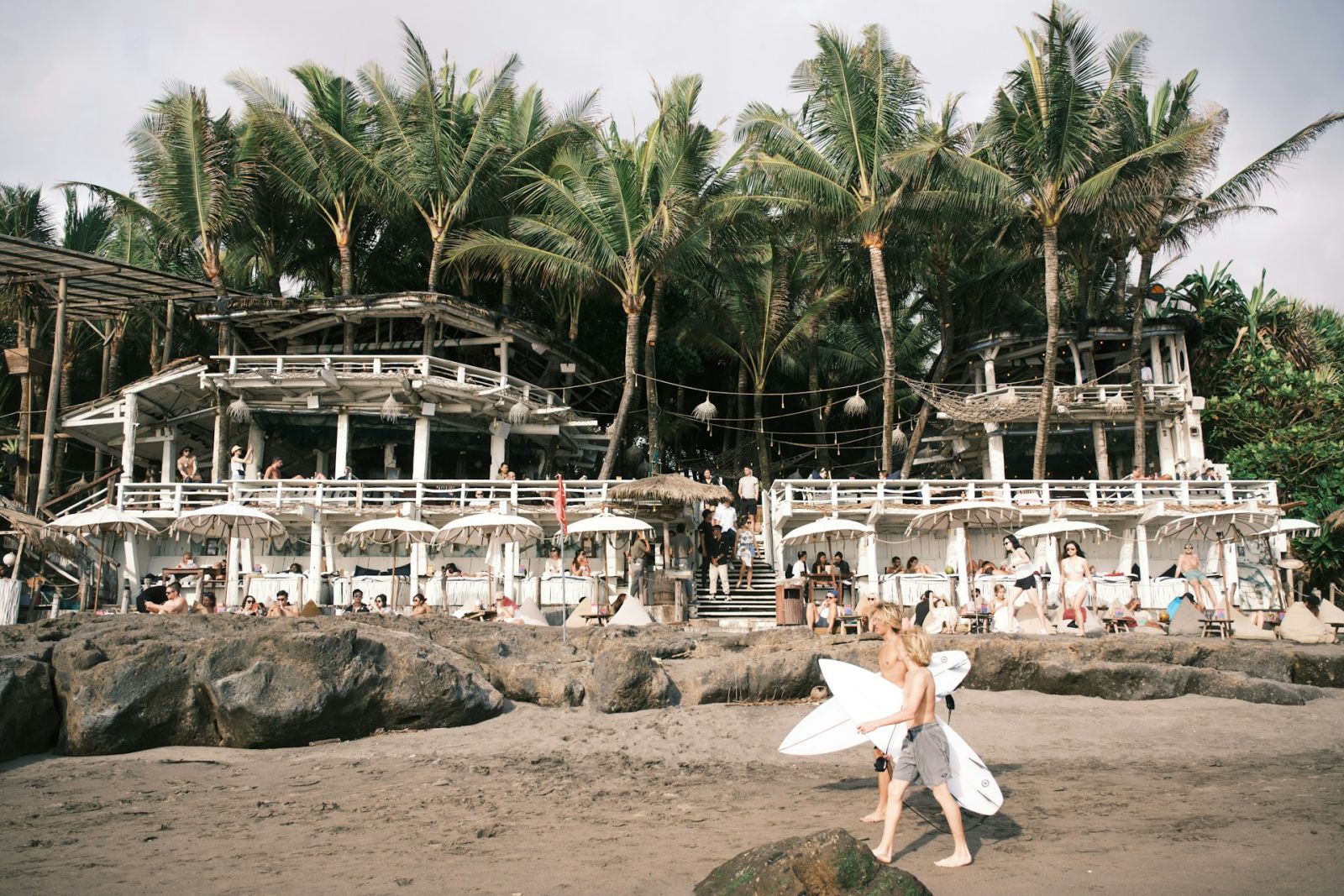
Bali had been on my radar for a long time, and it only made me want to explore it more after seeing it ranked highly in TripAdvisor’s Travellers’ Choice Awards. It is the kind of destination that can work for almost any trip, whether I want beaches, culture, adventure, great food, or a slower escape.
In this guide, I’ll cover the best time to visit, where to stay, how to get around, what to do, how much to budget, and the common mistakes to avoid so planning feels a lot easier.
Why Visit Bali?
Bali is worth visiting for me because it offers such a wide mix of experiences in one place. One day I could be exploring temples, and the next I could be relaxing on the beach or watching surfers catch waves. It’s not just a beach destination, it has culture, food, and variety.
What really stands out to me is how Bali combines different things so well:
- Beautiful temples and strong Hindu culture.
- Beaches that are great for relaxing and surfing.
- A food scene with both local and international options.
- Friendly and welcoming people.
- A destination that can be relatively affordable for many travelers.
At the same time, Bali is not perfect everywhere. Some areas can feel overcrowded, especially Ubud, Canggu, Kuta, and Seminyak. For me, that doesn’t ruin the experience, but it does mean planning carefully and choosing the right area matters a lot.
Best Time to Visit Bali
Bali really depends on what kind of trip you want. For the best weather, the dry season is usually the safest choice, especially from April or May through September. This is the sweet spot if you want sunny days, beach time, surfing, hiking, and sightseeing without worrying too much about rain. It is also the most popular time, so expect more visitors and higher prices, especially during the peak summer months when travelers from Europe, Australia, and other regions visit.
A few months stand out more than others:
- May: One of my favorite times because the weather is excellent and the crowds are usually lighter.
- June to July: Very good weather, but often busier and more expensive due to peak travel season.
- Late August to early September: A great balance of good weather and thinner crowds
- September: Still great for swimming, excursions, and outdoor activities, but often a little calmer.
If you want fewer crowds and do not mind some rain, the wet season from around November to March can work too. Instead of constant rain, it is usually short tropical showers, often in the afternoon. The island stays lush and beautiful, and prices are generally lower.
For me, the best choice is usually a shoulder month like May or September, when the weather is still great but the island feels less crowded.
How to Get to Bali From the U.S?
Getting to Bali from the U.S. is pretty straightforward, but it is a long journey. Bali has one main international airport, I Gusti Ngurah Rai International Airport (DPS), which is also known as Denpasar Airport. There are no direct flights from the U.S. to Bali, so always expect at least one stop along the way.

Most trips take around 20 to 30 hours, depending on the airline and layover length. For that reason, I think it helps to plan ahead and choose a route that feels manageable, not just the cheapest one.
Common U.S. departure cities include:
- Los Angeles (LAX)
- San Francisco (SFO)
- New York (JFK)
- Chicago (ORD)
- Seattle (SEA)
- Washington D.C. (IAD)
- Houston (IAH)
Many flights connect through major hubs in Asia or the Middle East.
Common airlines and routes include:
- Cathay Pacific via Hong Kong
- China Airlines or EVA Air via Taipei
- Korean Air via Seoul
- Qatar Airways via Doha
- Emirates via Dubai
- Etihad Airways via Abu Dhabi
- Philippine Airlines via Manila
For me, the key is to book early, expect jet lag, and treat the flight as part of the trip rather than just a commute.
Where to Stay in Bali?
Deciding where to stay in Bali comes down to the type of experience you’re looking for, as each area offers something different. Bali isn’t the kind of place where one location fits everything, where you stay can really shape how your trip feels.
Here’s a simple breakdown to help you decide:
Ubud — Culture, Nature & Relaxation
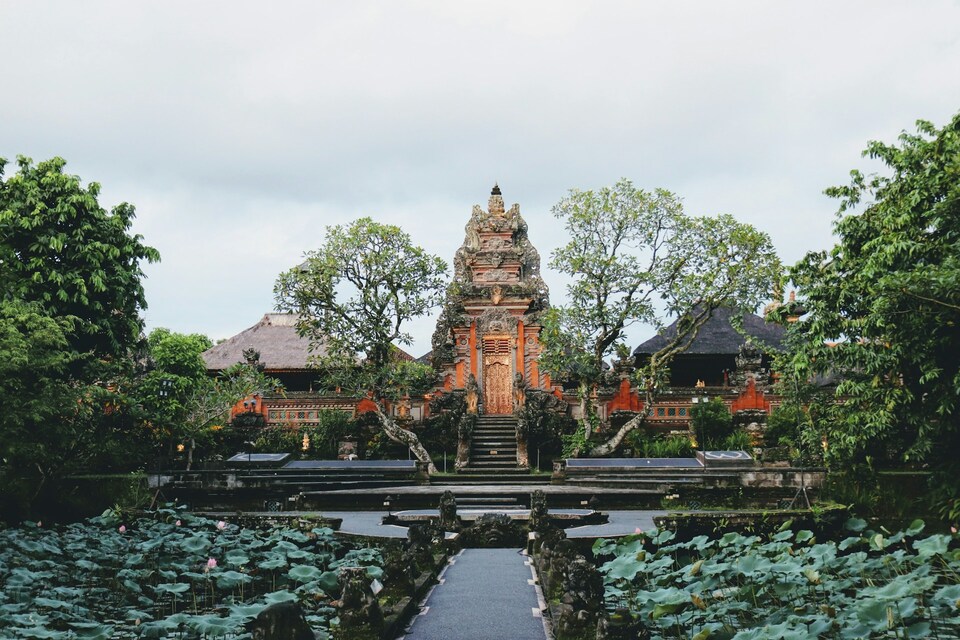
If you want something peaceful and more “traditional,” Ubud is usually a good first choice. It’s known as Bali’s cultural heart, surrounded by rice terraces, temples, and jungle scenery.
Best for: culture lovers, yoga, nature, digital nomads
What to expect: temples, markets, healthy cafés, cooler weather
Good to know: It can get crowded in the center, but quieter areas just outside are much better.
Great starting point if you want to explore central Bali and places like Mount Batur.
Canggu — Trendy, Cafés & Beach Life
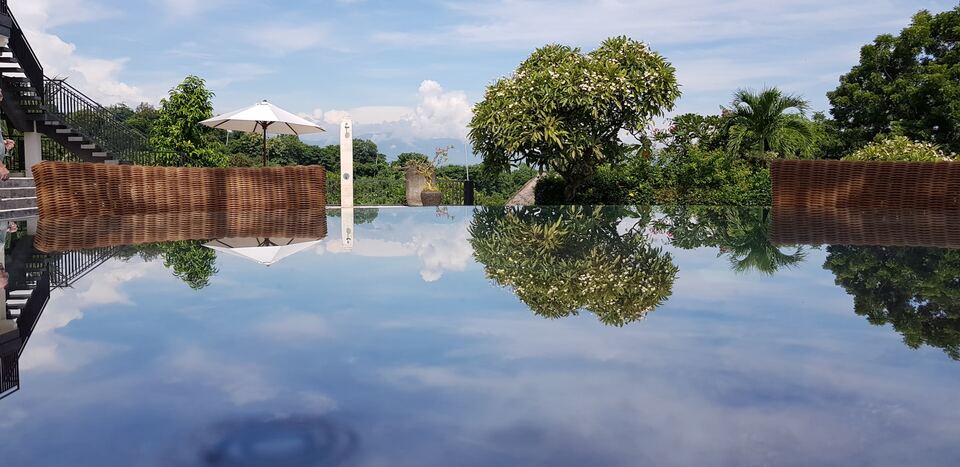
Canggu has a very different energy. I’d describe it as laid-back but trendy, with beach clubs, great food, and a strong digital nomad scene.
Best for: surfers, remote workers, younger travelers
What to expect: cafés, coworking spaces, sunset bars, beach vibes
Good to know: Traffic can be frustrating, and it’s not ideal for families.
Feels like a mix of Ubud’s wellness vibe and Seminyak’s social scene.
Seminyak — Luxury, Shopping & Nightlife
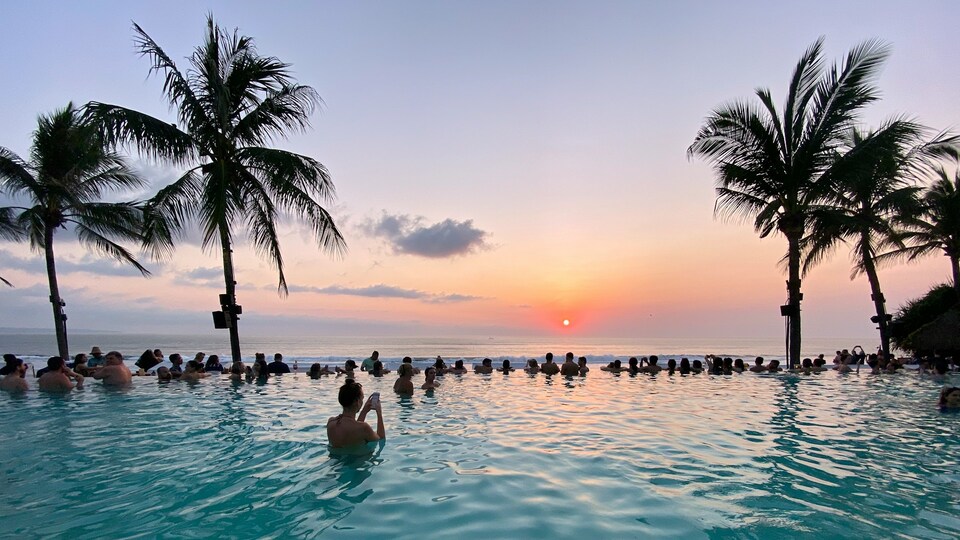
If you want something more upscale without going too wild, Seminyak is a solid option. It’s polished, with beach clubs, boutique shopping, and high-end restaurants.
Best for: couples, luxury travelers, food lovers
What to expect: stylish resorts, beach sunsets, nightlife
Good to know: Still busy, but more refined than Kuta.
Great balance between relaxation and social life.
Kuta — Budget & Party Scene
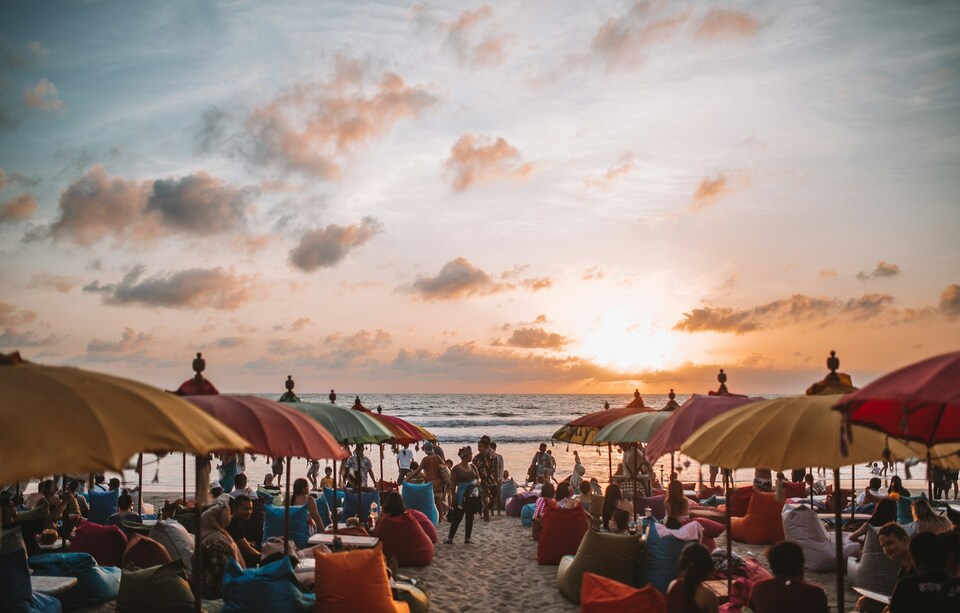
Kuta is one of the most well-known and busiest areas in Bali. I’d only stay here if I’m on a tight budget or want nightlife.
Best for: backpackers, partygoers, short stays
What to expect: cheap hotels, clubs, busy beaches
Good to know: It can feel crowded and less “authentic”.
Also very close to the airport, which makes it convenient.
Nusa Dua — Resorts & Family-Friendly
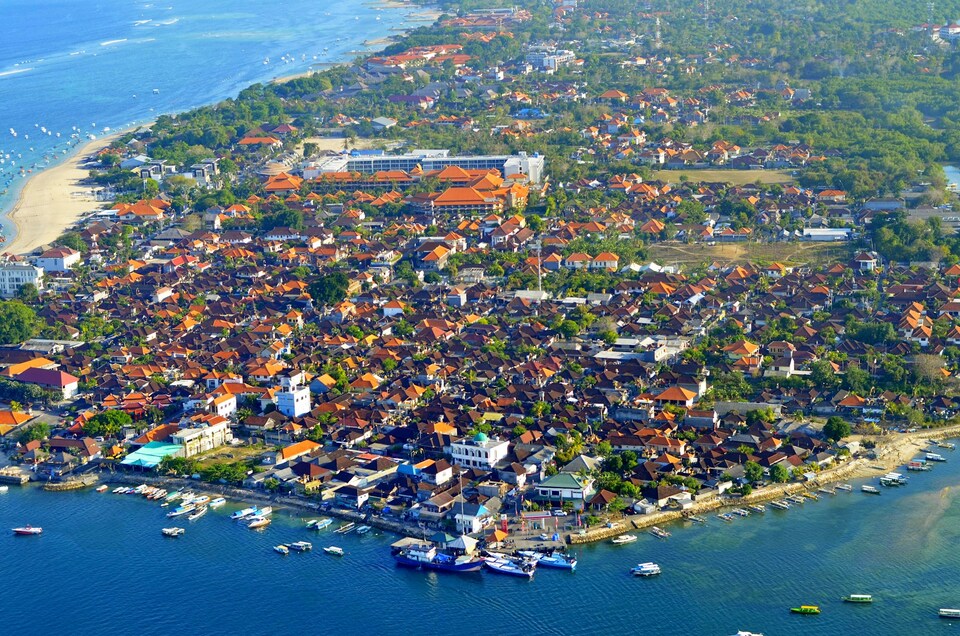
For a more relaxing, all-inclusive type of trip, Nusa Dua feels completely different from the rest of Bali.
Best for: families, honeymooners, luxury stays
What to expect: 5-star resorts, calm beaches, quiet atmosphere
Good to know: Less local culture and more resort-focused.
Perfect if you just want to relax and not think about planning.
Uluwatu — Cliffs, Surf & Views
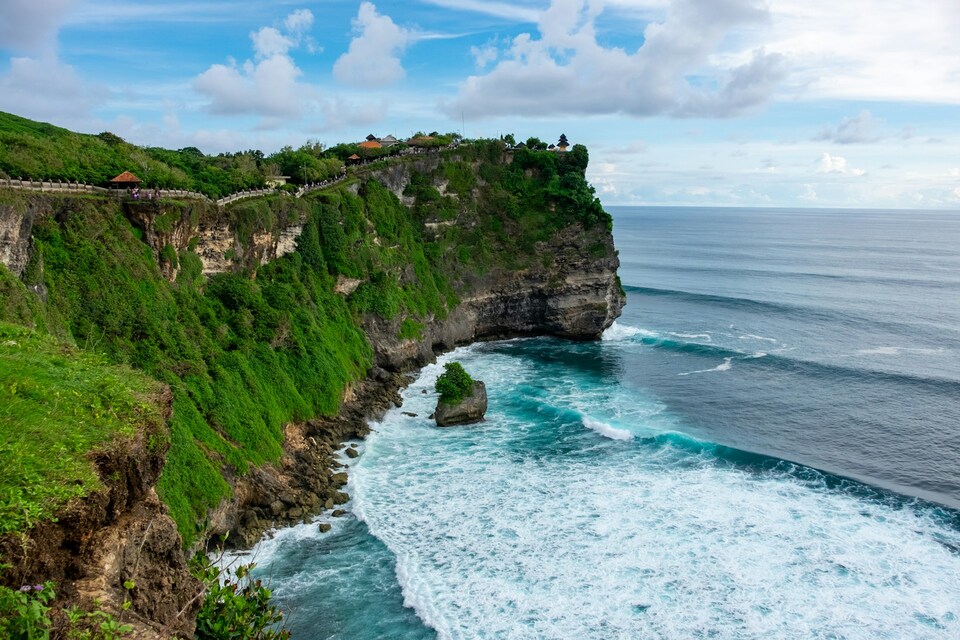
Uluwatu is one of my favorite areas for scenery. The cliffs, beaches, and sunsets here are hard to beat.
Best for: surfers, couples, scenic stays
What to expect: beach clubs, dramatic views, quieter vibe
Good to know: Getting around usually requires a scooter or driver.
Ideal if you want something beautiful but less crowded.
Sanur — Calm & Easygoing
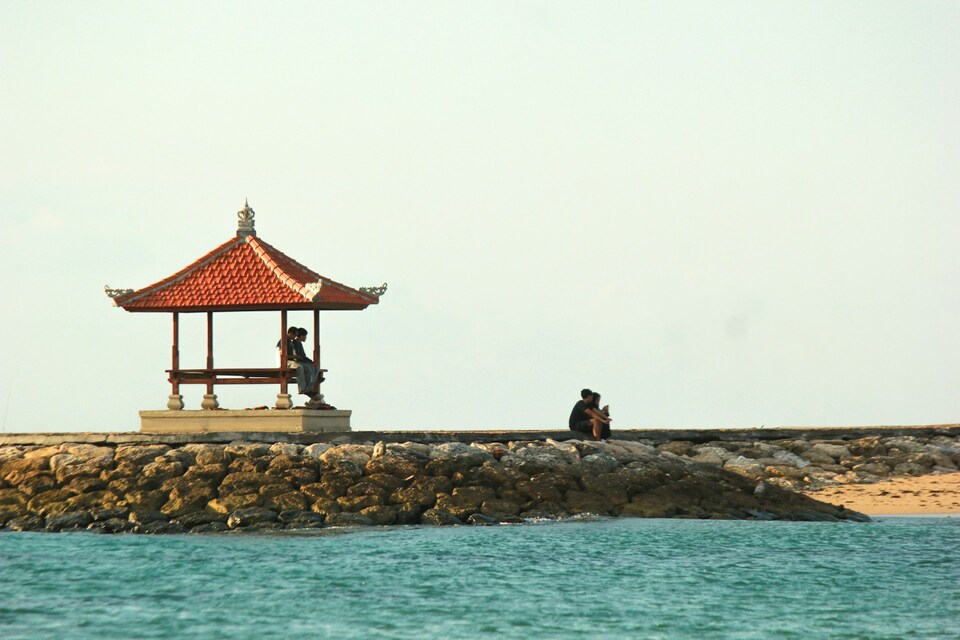
Sanur is much quieter compared to the west coast. It’s slower, more relaxed, and great if you want a peaceful stay.
Best for: families, older travelers, relaxed trips
What to expect: calm beaches, sunrise views, local restaurants
Good to know: The nightlife is very limited, so evenings are quiet.
A great alternative if Kuta or Canggu feels too hectic.
Amed & The Islands — Quiet & Adventure
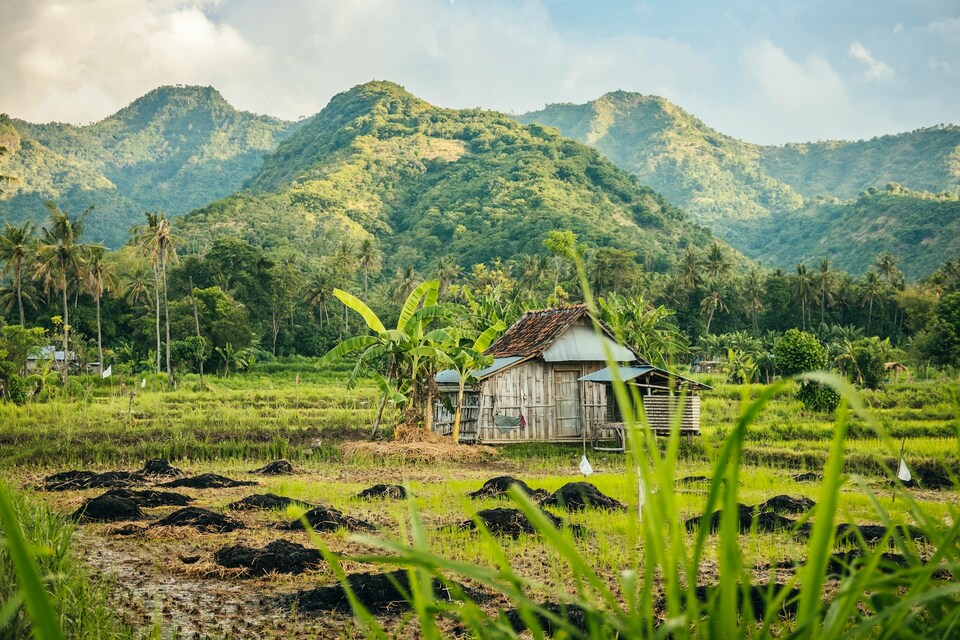
If you want something completely different, you should look at Amed or the nearby islands like Nusa Lembongan or Nusa Penida.
Best for: snorkeling, diving, adventure
What to expect: fewer crowds, raw nature, slower pace
Good to know: The infrastructure is more basic.
Perfect if I want to escape the busy tourist areas.
Final Thought
If it’s my first time in Bali, I’d honestly split my stay between two areas (for example: Ubud + Canggu or Seminyak). It gives a much better feel of the island instead of staying in just one place.
(Sources: Travel Lush, Bali.com, Little Grey Box)
How to Get Around Bali?
Bali has limited public transit, so most visitors rely on private drivers, ride-hailing apps, taxis, or scooters. Your best options are:
Private car + driver

Very common for day trips. Typical rates are around IDR 500–650K for a half-day (6–8 h) and IDR 650–800K for a full day (10–12 h). This usually includes a modern car, driver, fuel and parking. It’s stress-free and often as cheap as a self-drive once you factor in hassles.
Ride-hailing apps

Gojek and Grab (car and motorbike taxis) cover most tourist areas. You can book GoCar/GrabCar (for luggage or rain) or GoBike/GrabBike scooters (super-cheap and helmet provided) for short hops.
These apps are widely used across Bali, but some areas have pickup restrictions. If you are in a restricted zone, you may need to walk a short distance or use a local taxi.
Scooter rental
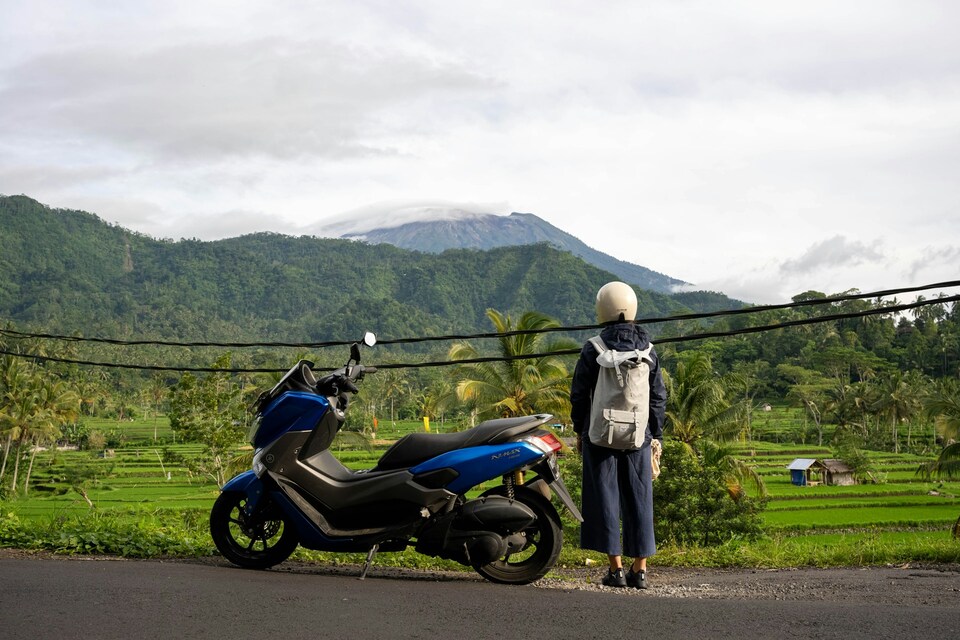
A 125cc scooter runs about IDR 50–70K/day ($3–5) from street or online shops. Only ride if you’re experienced and comfortable on the left. Legally, you must carry your national motorcycle license plus an International Driving Permit (IDP) and wear SNI-standard helmets.
Helmets and front headlights are mandatory or you risk fines (~IDR 250K–1M). Insurance is minimal – photo damage every time. In short, only opt for a bike if you really trust your skills; otherwise book a driver.
Taxis & transfers

Bluebird is the best metered taxi company. At the airport you can pre-book a shuttle or taxi from a reputable company (avoid touts). Hotel shuttles (often fixed price) can work too.
In city areas you can hail Bluebird on the street or via apps (or ask your hotel to call one). Because ride-apps dominate now, fixed-route “taxi ranks” are less common, so I usually use apps or drivers I trust.
Traffic matters
Bali’s roads (especially Kuta, Seminyak, Canggu) get jammed in late afternoons. Evening rush (16:30–19:30) can double travel times. In practice you’ll allow lots of cushion: e.g. Ngurah Rai (Denpasar) Airport to Kuta might be ~15–30 min off-peak, but 30–60+ in traffic. Some typical ranges (by car):
- Airport ⇄ Kuta: ~10–30 min
- Airport ⇄ Seminyak: ~20–45 min
- Airport ⇄ Canggu: ~30–60 min
- Airport ⇄ Ubud: ~60–90 min
- Airport ⇄ Nusa Dua: ~15–30 min
- Airport ⇄ Uluwatu: ~30–60 min
Tip: Book any long taxi or driver well in advance (especially airport runs) to lock in a fair rate. Plan around peak traffic (travel early or late). And if you rent a scooter, always wear a helmet and carry your IDP/license – safety (and police fines) are no joke in Bali.
Top Things to Do in Bali
When I first started planning my trip, I realized Bali isn’t the kind of place where you do just one thing, it’s a mix of beaches, culture, nature, and a bit of adventure. What I tried to focus on here are the experiences that most first-time travelers actually enjoy, not just random or overly specific activities.
If you have limited time, these are the things I’d recommend prioritizing to get a well-rounded feel of the island.
(1) Visit Bali’s most iconic temples
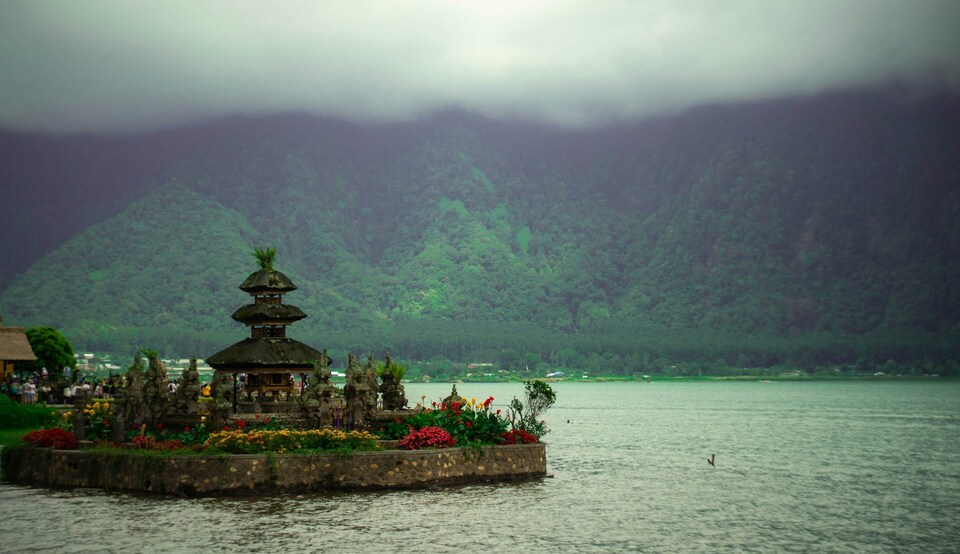
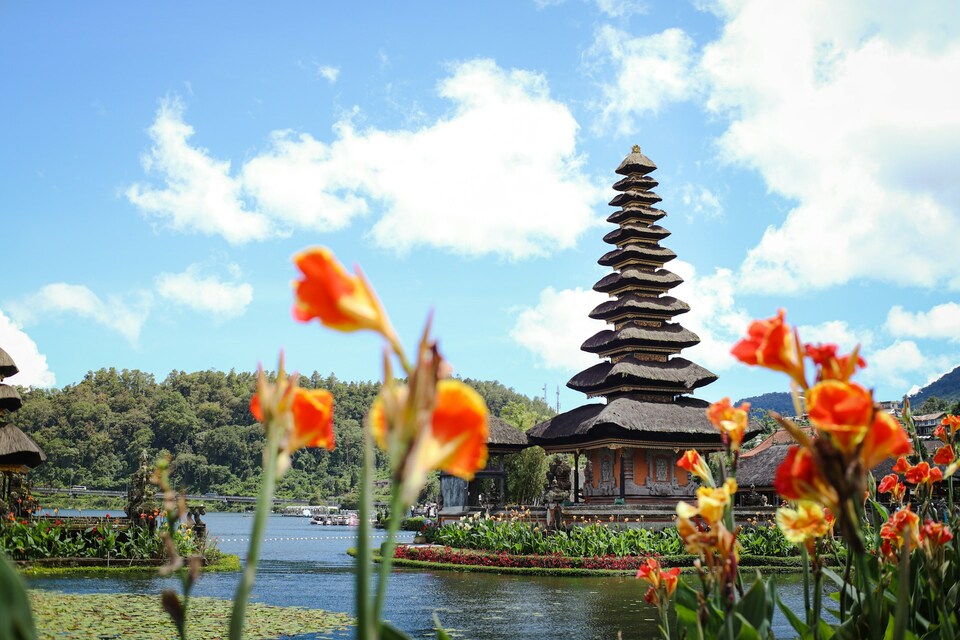
Bali is one of those places where the culture is just as important as the scenery. A temple visit belongs on almost every first trip, especially Uluwatu Temple for its cliffside sunset views, or Pura Ulun Danu Beratan if you want a more peaceful lake setting. Tirta Empul is another great choice if you want a spiritual and traditional experience. Ubud is also one of the best places to see Bali’s cultural side, with temples, dance performances, and a calmer atmosphere.
(2) Explore the rice terraces
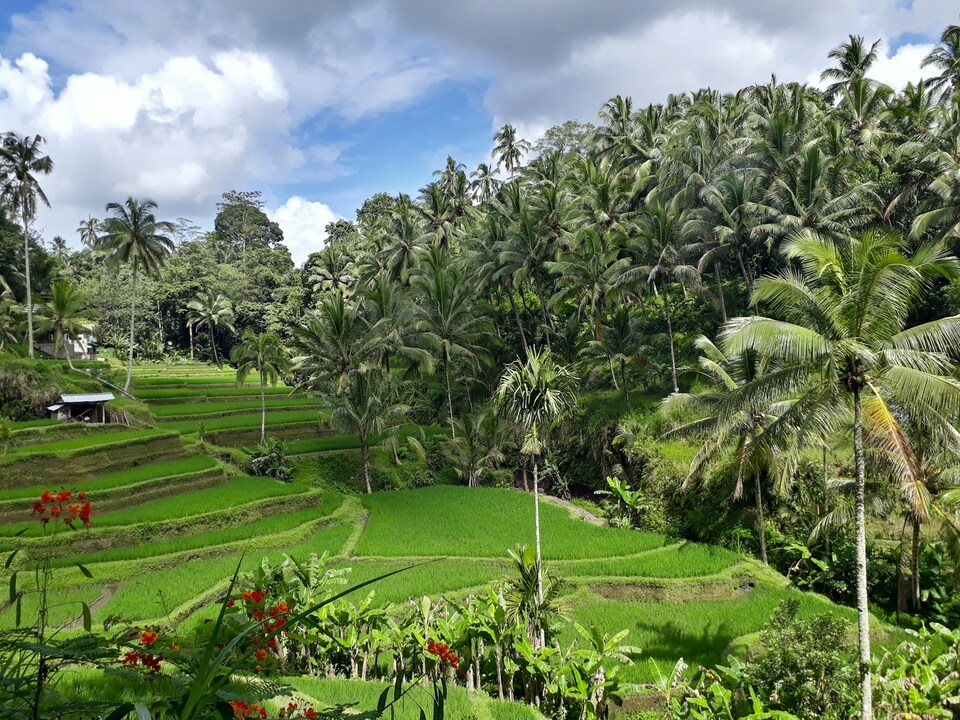
The rice terraces are one of Bali’s signature sights, and they are worth seeing even if you are not usually into scenery stops. Tegallalang is the famous one, but there are other beautiful terrace areas around central Bali too. If I were visiting for the first time, I would make sure to see at least one rice terrace view because it gives you that classic “Bali” feeling right away.
(3) Try a sunrise adventure

A sunrise trip to Mount Batur is one of the most popular experiences in Bali for a reason. It is active, memorable, and gives you a completely different view of the island. If you want something adventurous but still beginner-friendly, this is one of the best choices.
(4) Spend time at the beach
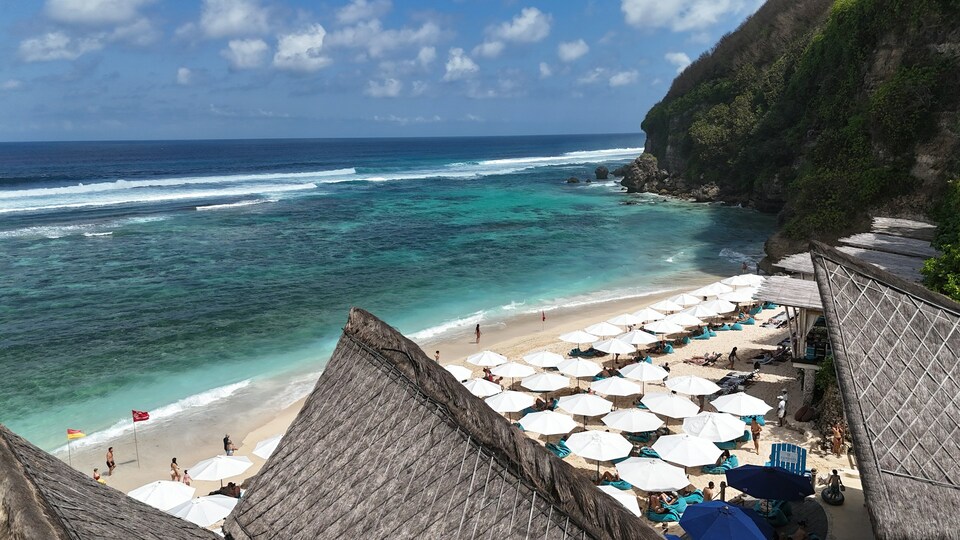
Bali is still a beach destination at heart, so I would not skip this part. You can keep it simple with beach hopping, sunset walks, or a relaxed afternoon at one of the more scenic coastal areas. If you want a more energetic atmosphere, the south coast has more of that surf-and-social vibe, while other areas are better for quieter beach time.
(5) Go surfing or watch the surf culture

Even if you do not surf, Bali is a great place to experience surf culture. Beginners and experienced surfers both usually find something here, especially in the southern parts of the island. If surfing is not for you, it is still worth watching from a beach bar or cliffside viewpoint.
(6) Snorkel or dive in clear water

For underwater activities, Bali has plenty to offer. Amed, Tulamben, and Nusa Penida are some of the most talked-about spots for snorkeling and diving, and they are often recommended because marine life is a big part of the experience. If you want a first-time water activity that feels more special than just swimming, this is a strong pick.
(7) Take a cultural day in Ubud
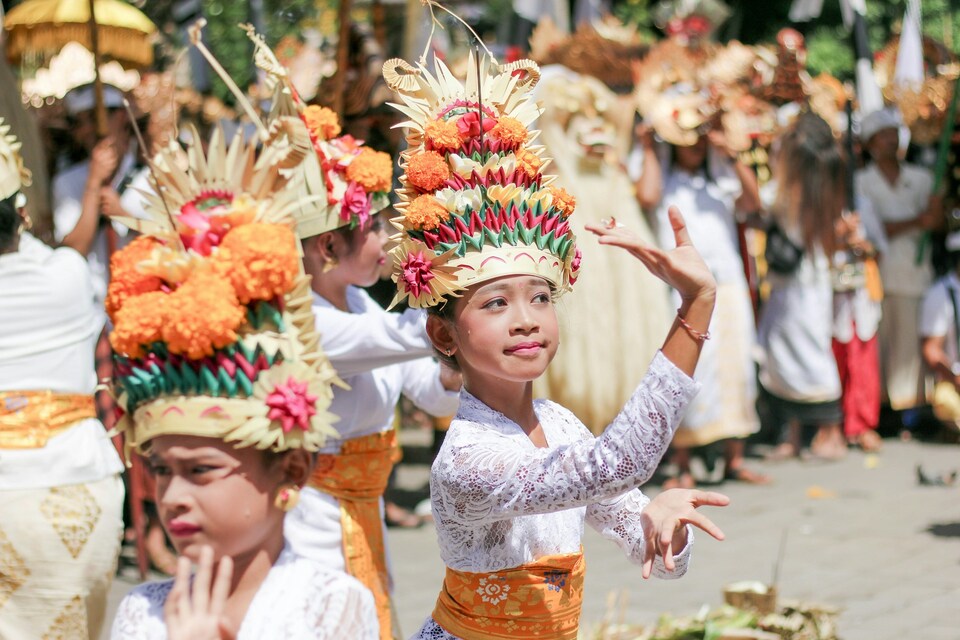
Ubud is one of the best places for a slower, more balanced day. It is where you can mix temples, art, yoga, markets, and good food without feeling rushed. For first-time travelers, this is a great place to slow down and get a better feel for Bali beyond the beach towns.
(8) Add a wellness experience

Bali is also known for yoga, spa treatments, and wellness retreats, especially around Ubud. A massage, yoga class, or spa afternoon is a nice way to break up the more active parts of the trip. For me, this is one of the easiest ways to make the trip feel restful instead of packed.
(9) Watch a traditional dance performance
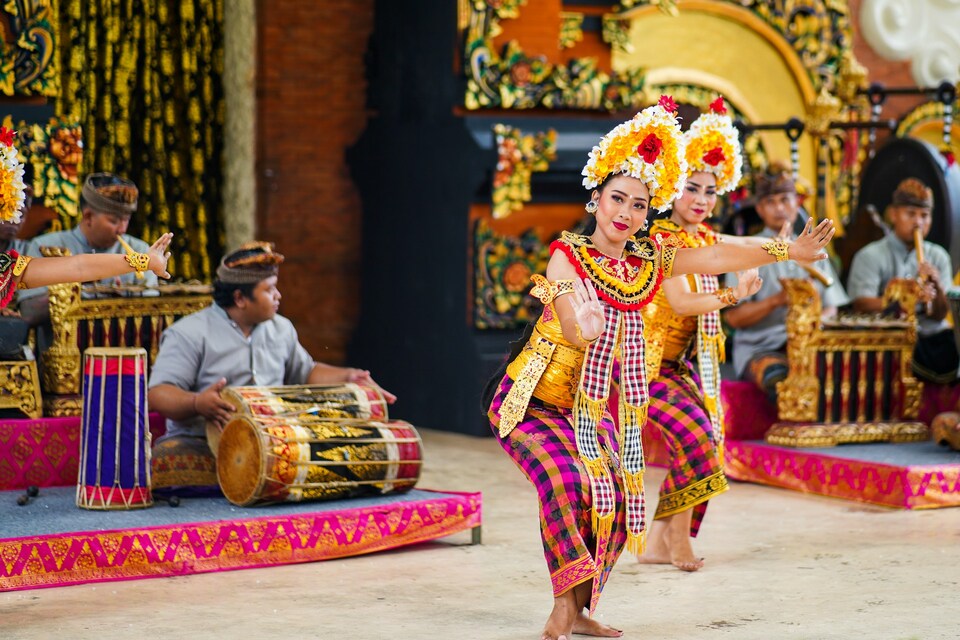
A traditional Balinese dance show is one of those experiences that helps the trip feel more complete. It is easy to enjoy, does not take much planning, and gives you a better sense of the island’s artistic side.
(10) Eat local food and join a cooking class
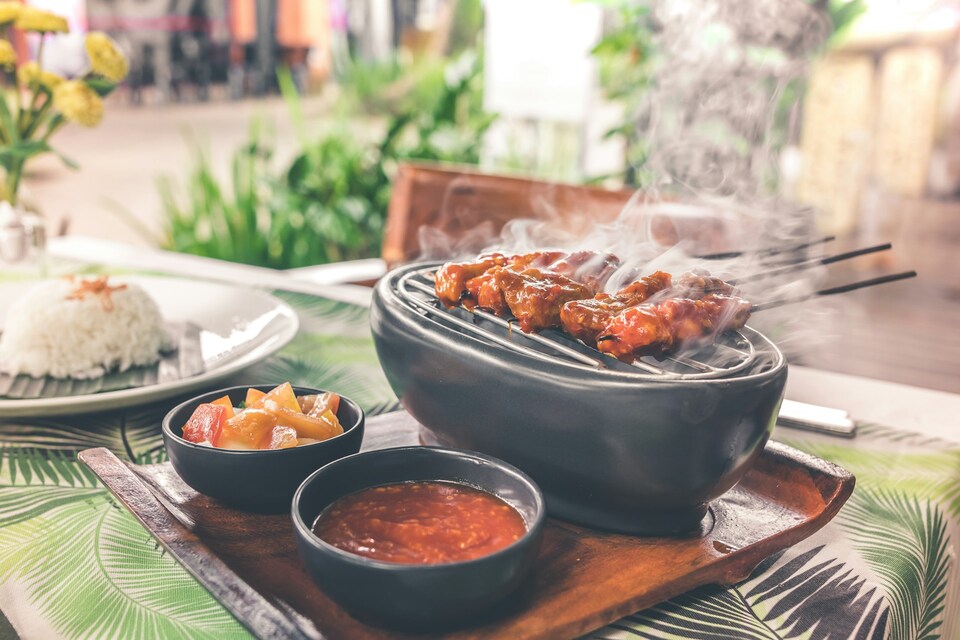
A Bali trip also feels better when you eat at a local warung and try a Balinese cooking class. These are simple activities, but they are some of the easiest ways to connect with the place in a more personal way.
My best first-time Bali shortlist
If I had to keep it simple, I would choose:
- One temple visit
- One rice terrace stop
- One sunrise adventure
- One beach day
- One water activity
- One slow Ubud day
- One food or culture experience
That mix gives a first-time traveler a really good balance of Bali’s scenery, culture, and fun without making the itinerary feel overloaded.
Budget and Costs
Bali can be very affordable or quite expensive, depending on how you travel. Budget travelers can get by on around $30–$60 a day, mid-range travelers often spend $80–$150 a day, and luxury trips can easily climb to $100–$300+ a day.

Where does the money usually go?
For me, the biggest costs are usually flights, accommodation, and transport. Once I am on the island, Bali is still flexible enough to fit almost any budget.
Typical daily costs
A rough starting point looks like this:
- Hostel / budget stay: Around IDR 100,000–250,000 per night (≈ $6–$16)
- Mid-range hotel (per room): About IDR 700,000+ per night (≈ $40–$80)
- Meals (local warung): IDR 30,000–80,000 per meal (≈ $2–$5)
- Mid-range dining: IDR 80,000–250,000 per meal (≈ $5–$15)
- Drinks (beer/cocktail): Roughly IDR 35,000–120,000 depending on place
- Average daily spend (overall): Around IDR 1,400,000 per person (~$80–$100)
Transport and activities
Getting around Bali is affordable, with scooter rentals costing about $3–8 per day and short Grab rides typically $2–5, while private drivers cost $20–35 per day. Most attractions like temples and waterfalls are inexpensive, though tours, snorkeling, and Mount Batur treks cost more.
(Sources: Go2Bali, Ohana, Bali Holiday Secrets)
How to keep costs down?
If you want to save money, I would suggest:
- Eat at local warungs.
- Stay a little outside the busiest beach strips.
- Use a scooter or ride-hailing app when it makes sense.
- Choose free or low-cost activities like beaches, markets, and rice terraces.
- Avoid turning every day into a private tour day.
My simple takeaway
Bali is not automatically “cheap,” but it is one of those places where you can make it as budget-friendly or as luxurious as you want. That flexibility is a big reason it works so well for backpackers, couples, families, and travelers who want to splurge.
7-Day Bali Itinerary
If it were my first time in Bali, I wouldn’t try to see everything, that’s the fastest way to burn out. Instead, I’d split the trip between Ubud (culture + nature) and South Bali (beaches + sunsets). This kind of route is actually recommended in many recent itineraries because it balances variety while keeping travel time manageable.
Here’s how I’d personally plan a smooth, beginner-friendly 7 days:
Day 1: Arrival & Ease Into Ubud
After landing, I’d head straight to Ubud and keep things light, check in, maybe grab a simple meal, and take a short walk (Campuhan Ridge or nearby streets). No pressure to “do” anything yet.
Day 2: Ubud Highlights (Culture + Nature)
This is where Bali really starts to hit. I’d cover:
- Tegallalang rice terraces
- Monkey Forest
- A temple like Tirta Empul
It’s a full day, but everything is relatively close, which makes it practical.
Day 3: Sunrise Adventure + Waterfalls
If I’m up for it, I’d do the Mount Batur sunrise trek (early start, but worth it). Later, I’d slow things down with a waterfall stop or even just a massage back in Ubud.
Day 4: Move to Canggu (Beach Vibe Shift)
Time to switch scenery. I’d head to Canggu, check in, and spend the rest of the day:
- Chilling at a café
- Trying a beginner surf lesson
- Watching sunset by the beach
This change of pace is honestly what makes Bali feel special.
Day 5: Temples + Beach Life
I’d keep this day flexible:
- Visit Tanah Lot temple for sunset
- Explore Seminyak for dinner or shopping
This combo of culture + nightlife is a classic Bali mix.
Day 6: Uluwatu Cliffs & Sunset
Head to Uluwatu for:
- Beach hopping (Padang Padang, Bingin)
- Uluwatu Temple
- Kecak dance at sunset
This is easily one of the most memorable evenings in Bali.
Day 7: Slow Morning & Departure
I’d avoid cramming anything here. Maybe:
- Relaxed breakfast
- Quick beach walk
- Head to the airport
My Honest Tip
What I like about this plan is that it doesn’t feel rushed. Many travelers try to squeeze in too many places, but even travel forums suggest sticking to 2–3 main bases for a week to avoid wasting time in traffic.
If I had more time, I’d add Nusa Penida but for 7 days, this already feels like a solid, realistic Bali experience.
Travel Essentials

For Bali, I would recommend keeping your packing list focused on the things you will actually use. The basics matter the most, especially travel documents, money, and a few comfort items for the heat, beach days, and long travel times.
Must-haves
- Passport
- Visa on Arrival or any required travel documents
- Travel insurance
- Credit and debit cards
- Some cash
- Printed copies of bookings
Clothing and shoes
- Light, loose summer clothing
- Beachwear and swimwear
- Comfortable sandals or flip-flops
- Enclosed shoes
- A light rain jacket
Useful electronics
- Phone and chargers
- Power bank
- Power adaptor / plug converter
- Waterproof phone case
- Power strip, if needed
Toiletries and health items
- Sunscreen
- Reef-safe sunscreen
- Bug spray
- Basic toiletries
- Hand sanitizer
- Lip balm with SPF
- Mini first aid kit
- Prescription medication, if needed
- Anti-diarrhoea tablets
- Seasickness tablets
- Tissues or toilet paper
Optional but helpful
- Small secure backpack
- GoPro or action camera
For me, the best approach is not to overpack. Bali is one of those places where a simple, practical bag usually works better than trying to bring everything.
Safety and Common Mistakes
For me, the biggest Bali mistakes are usually the simple ones: rushing too much, ignoring local customs, or assuming things work the same way they do at home. Bali is very manageable if you slow down a little and plan with care.
Here are a few simple dos and don’ts I found really helpful while traveling in Bali:
- Do not overstay your visa by accident
- Respect temples and ceremonies
- Do not drink the tap water
- Be careful with scooters and traffic
- Watch for animals and beach safety
- Beach and water safety
- Money exchange scams
I would also save these emergency numbers before I arrive: police 110, fire 113, ambulance 118 or 119, search and rescue 115, and general emergencies 112.
Conclusion
Bali feels like one of those destinations that can work for almost any kind of trip, whether you want beaches, culture, adventure, food, or just a slower break from everyday life. What I like most is how flexible it is. I can keep it budget-friendly, or I can turn it into a more comfortable and luxurious getaway if I choose to. From temples and rice terraces to surf spots, sunrise hikes, and peaceful wellness days, Bali really offers a little bit of everything. If you plan it well, stay mindful of the local culture, and leave enough time to enjoy each place properly, I know it can be the kind of trip you’ll remember for a long time.